

SEO for Builders: The Project Searches That Win Contracts
Builders cannot win the head terms and do not need to. The project searches that convert, the pages that earn
Read More about SEO for Builders: The Project Searches That Win ContractsMost Australian businesses treat content marketing as posting to a blog and hoping. I have watched the same budget wasted for over a decade: no defined audience, no offer, no next step, no measurement. The content gets published, the traffic numbers look okay, and the enquiries never come. Then the owner concludes content marketing does not work. Content marketing does work. It works when it is planned like a lead generation channel instead of a publishing schedule. This post distils what I have learned into plain tips you can apply this month, backed by the Content Marketing Institute's B2B data on what content actually produces for marketers who do it properly. The failure is rarely the writing. It is the absence of everything around the writing: a goal, an audience definition, a next step, and a way to measure whether any of it worked. Every piece of content should exist to move a reader toward a defined outcome: an enquiry, a booked call, a subscription, a purchase. When content is published because the calendar says it is time for a post, it drifts. It talks about what interests the business rather than what the buyer needs to decide, and content without a job produces nothing measurable. Traffic feels like progress and often is not. A thousand visitors who read and leave are a cost, not a result. The Content Marketing Institute's B2B research is honest about where content does its work: "As we've seen in past years, content marketing helps most B2B marketers at the top of the funnel, with 87% reporting that it helped them create brand awareness in the last 12 months." Awareness is real value, but it only becomes pipeline when the content also moves people toward a next step you can capture and measure. You cannot generate leads from content aimed at everyone. The first job is deciding exactly who the content serves and what problem it solves for them. Picture the specific person you want to reach: their industry, their role, their budget, their level of knowledge. Write as if you are answering that one person's question. Content written for a clearly defined reader reads as specific and credible. Content written for "anyone who might be interested" reads as generic, and generic content does not convert. Pick problems your buyers actually spend money to solve, not problems that merely interest them. A business owner will read content about how to generate more enquiries, because that problem costs them money every week. They will skim and forget content about industry trends that do not affect their revenue. The problems people pay to fix are the ones that generate the strongest leads when you solve them well in public. Not all content is equal when the goal is leads. Some formats naturally collect enquiries because they ask something of the reader, and some formats are dead ends that end with a satisfied read and no action. Practical assets outperform generic articles for lead generation. A detailed guide that takes the reader from problem to solution, a checklist they can use on the job, a calculator that gives them a personalised number: these formats create a reason to hand over an email address or start a conversation. They prove competence while they capture demand. Someone at the awareness stage needs a plain answer to a question. Someone closer to buying needs proof: case studies, comparisons, pricing guides, implementation detail. Match the format to where the reader sits and the content can carry them forward. A business that only produces awareness content is building an audience that never reaches the till. Content published on a website you do not own and an algorithm you do not control is borrowed reach. An email list is the one audience channel you own, and content marketing without one leaks value with every post. Every visitor who reads a post and leaves without any way to be contacted again is a lead that escaped. Search traffic returns when it wants, not when you have something to say. A list changes the relationship: the same reader can be nurtured over weeks and months until they are ready to buy, which is exactly how long-form B2B decisions actually take. People do not subscribe to "updates". They subscribe to a specific asset or outcome: the checklist, the template, the guide, the monthly roundup that genuinely saves them time. The offer needs to be worth the email address, and it needs to connect to the problem your business solves. If the list offer is weak, the list will be weak, and a weak list produces no leads. Email marketing services to capture and nurture leads can build this properly if the mechanics are not your strength. Every piece of content should end with a reader knowing what to do next. That is not manipulation. It is what makes content useful instead of merely interesting. Before you write, decide what the page should make the reader do. Download the asset. Book the call. Request the quote. Read the comparison. One job per page, stated clearly. A page that tries to offer five different next steps usually delivers none, because the reader finishes confused about what you actually want from them. The call to action should grow out of the content. A reader who just finished a guide on choosing software wants to see a comparison or talk to someone about their situation. A reader who just read a definitional post wants a related guide, not a sales call. Match the next step to where the content left them, and the response rate rises without any pushy salesmanship. One well researched idea can feed many channels, which is how small teams produce consistent content without burning out. The mistake is repurposing without a channel strategy. The core guide becomes a series of posts, a short video, a slide deck, an email sequence, a checklist download. Each format serves a different audience and a different moment, but they all point back to the same core asset and the same next step. This multiplies the return on the research and writing effort, which is the real content marketing advantage for a small team. Repurposing only pays when you distribute where the buyer actually spends time. For Australian B2B, that is often LinkedIn, industry email and search. For consumer businesses, it may be Instagram or local community channels. Publishing everywhere evenly is the fastest way to do nothing well. Pick the two or three channels your buyers use, and do those properly. Are you doing SEO or Ads? Stop wasting money on ads that are not working. What gets measured gets managed, and content marketing is usually measured against the wrong numbers. Views, shares and time on page tell you content was seen. They do not tell you it produced pipeline. The numbers that matter are enquiries, booked calls and sales that can be traced to a piece of content or a channel. Set up tracking so a form submission, a phone call or a "how did you hear about us" question at the point of sale connects back to the content that started the relationship. The Content Marketing Institute's data shows what content is realistically producing: "Seventy-four percent say it helped generate demand/leads" and "62% say it nurtured subscribers/audience/leads". Those are the outcomes worth building a measurement system around. Every quarter, review each content asset against the goal you gave it. Which posts produced enquiries, which downloads turned into conversations, which pages just burned budget on hosting. Double down on what produced, fix or retire what did not. If you want an outside look at what your content is actually producing, marketing audit services to review what your content is producing can give you the honest picture before you spend another quarter on guesswork. Small teams do not have the luxury of a content department, so the strategy has to be realistic about capacity. The teams that win are the ones that do less, better. One genuinely researched asset a month, promoted properly, beats four rushed posts that compete with each other. Depth is what earns rankings, citations and trust. A small team should publish less than it thinks it should, and spend the saved time on distribution and follow up, which is where the leads actually come from. Write in batches: one research session, one writing block, one scheduling pass, so the overhead happens once instead of every week. And let demand set the agenda. When a question comes in from a real customer or a pattern shows up in sales calls, that is the topic for the next asset. Demand driven content is the cheapest lead generation available to a small business. There is a point where DIY content marketing stops paying. Recognising it early saves a year of effort and budget. The signs are consistent: you are publishing but cannot say what any post produced, the content has no consistent voice or audience, the writing takes time you do not have, or the traffic is there but the enquiries are not. When the content operation runs on your spare hours and nobody owns the strategy, it will not compound, and that is when outside help becomes the cheaper option. A content specialist should start with the plan, not the writing: who the buyer is, which problems to cover, which formats will capture leads, what the next steps are, and how results will be measured. Then they execute against that plan with writing that understands your industry. That is what content marketing services should deliver: a program built around lead generation, not a stream of posts. If that is the direction you want to take, book a strategy session and we can map the first quarter properly. Realistically 3 to 6 months of consistent publishing before you can judge results, because search and trust both take time to build. Anyone promising leads in two weeks from blog content is guessing. In the CMI survey data, content helps most at the top of the funnel, building awareness, then moving buyers toward a next step. Practical guides and tools that solve a specific problem tend to convert better than generic articles. Quality and consistency matter more than volume. One well researched asset per week, promoted properly and tied to a lead capture step, beats five rushed posts. Only if the writer understands your industry, your buyer and your offer. Generic content writers produce generic content that does not generate leads. Track the enquiry or purchase that follows each asset, using analytics and simple questions at the point of sale. Views and shares are useful signals but they are not leads. Yes, even a one page version. Successful content marketing in the CMI data is far more likely to be documented, because a plan forces you to define audience, goals and channels before you publish.
Why Content Marketing Fails to Generate Leads
Publishing without a goal
Traffic is not the same as pipeline
Define the Buyer and the Problem First
Write for one clear reader
Solve a problem they will pay to fix
Pick Content Formats That Pull Leads
Guides, checklists and calculators
Match the format to the buying stage
Build an Email List Around Your Content
Content without a list leaks value
Offer something worth subscribing for
Turn Every Post Into a Next Step
Every page needs a job
Relevant calls to action, not banners
Repurpose Content Across the Right Channels
One idea, many formats
Choose channels your buyers use
Get a free consultation with us
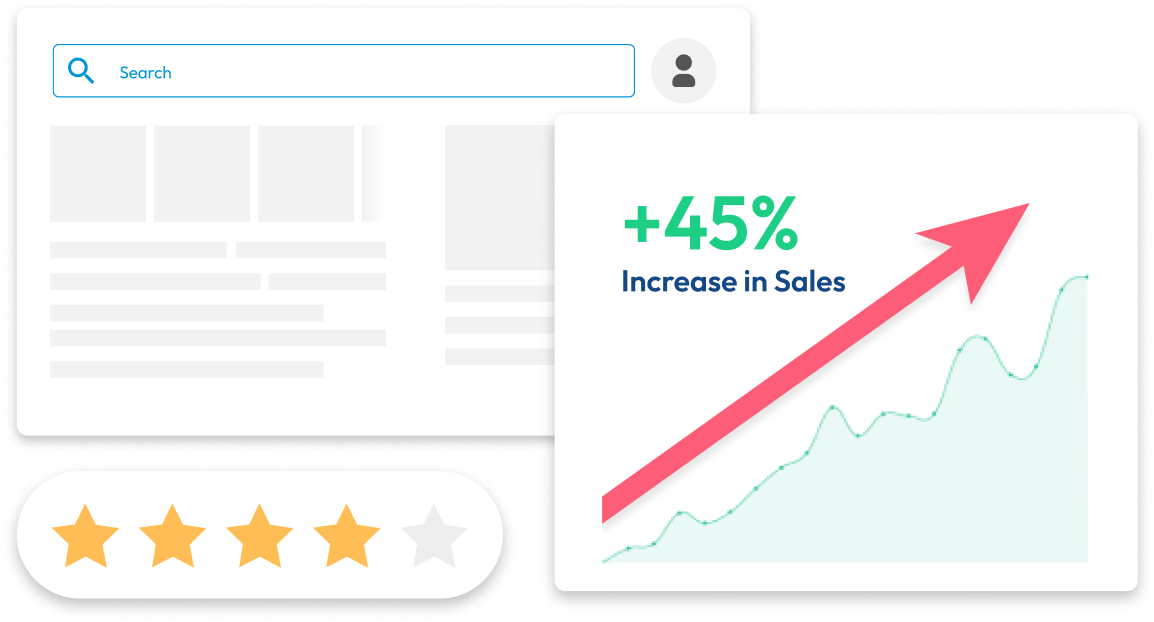
Measure Content Against Lead Goals, Not Vanity
Track enquiries, not just views
Review what each asset produced
Content Marketing Tips for Small Australian Teams
Do fewer things with more depth
Batch production around real demand
When Content Marketing Needs a Specialist
Signs you have outgrown DIY content
What a specialist should actually do
Frequently Asked Questions
How long until content marketing generates leads?
What type of content generates the most B2B leads?
How much content does a small business need to publish?
Should content marketing be outsourced?
How do I measure whether content generates leads?
Do I need a content marketing strategy document?


Latest Blog



WINNER
FINALIST
FINALIST
WINNER
WINNER
FINALIST
FINALIST
WINNER

Xugar Holiday Offer