

SaaS Marketing for Australian Software Companies
SaaS marketing in Australia: how software businesses get found by buyers, earn trust before the trial, and convert signups into
Read More about SaaS Marketing for Australian Software CompaniesAfter 13 years in this industry, I have watched business owners sign with the wrong agency, lose a year and a budget, and then come looking for a consultant to rescue the mess. It is a pattern I know by heart, and it is almost always avoidable. Choosing a digital marketing agency is not about picking the best sales pitch. It is about defining the outcome you need, understanding what kind of provider actually delivers it, and asking the right questions before you sign. This post is the honest walkthrough I give business owners in that position. It covers what to look for in a digital marketing agency in Australia, the questions to ask before you commit, the red flags that should stop you signing, and when a marketing consultant is the better fit than an agency. Every business owner I meet has a budget number in their head. The mistake is treating that number as the whole cost of the decision. When you choose the wrong agency, the real cost shows up later, and it is almost never the retainer. You pay a retainer for twelve months. The agency runs campaigns that look busy, sends reports that look healthy, and delivers enquiries that do not convert. At the end of the year you are in the same position as when you started, except a year of market opportunity has gone and your competitors have used that same year better. The lost year is the expensive part, not the monthly fee. The pattern usually shows within the first two months. Look for it: reports full of vanity numbers, no clear link between activity and enquiries, account managers who change every few months, and a team that can never quite explain what they did this week. When you see that pattern, act early rather than hoping month six will be different. The cost of leaving is smaller than the cost of another six months of the same. Most business owners compare agencies backwards. They ask what the agency offers, what channels it specialises in, and what it costs, before they have answered the only question that matters: what outcome are we buying? Until you can answer that, every provider will sound the same, because they are all answering a question you have not actually asked. These are different jobs. Lead generation means enquiries you can action, with tracking that proves where they came from. Sales means revenue attributed to the marketing, which requires your enquiry and sales data to be connected. Brand awareness means visibility with an audience that will buy later, which is a longer game with softer proof. Agencies and consultants both do all three, but they do them with different emphasis. Decide which job this engagement is doing before you compare quotes. Write down what success means in numbers. How many enquiries a month, at what cost per enquiry, from which channels, with what conversion rate. If you cannot write those numbers down, you cannot judge whether the agency is delivering, and you hand all the power to their reporting. The businesses that get good results from marketing partners are the ones who define the scoreboard before the game starts. Once the outcome is clear, you can look at providers with a proper checklist. These are the things I would check before trusting any agency with a marketing budget. Ask for case studies with real numbers: enquiries, cost per lead, conversion improvements, revenue where they can show it. Any provider can show a screenshot of a ranking improvement. Far fewer can show what that ranking produced for the business. If they cannot show evidence of results for businesses like yours, treat their promises as sales talk. Experience matters in two directions. Channel experience means they genuinely know the platforms they propose to run: Google Ads, SEO, content, social, email. Industry experience means they understand how your market buys, what your customers ask, and where the margin lives. You do not need an agency that only works in your industry, but you do need one that can show it has produced results in businesses with a similar sales cycle and enquiry value. Ask what the monthly report contains and who explains it. You want reporting tied to business outcomes, not a dashboard of impressions. You also want to know that the person explaining the report is the person doing the work, not a salesperson translating for a delivery team you never meet. The honest answer to many selection problems is that the best provider is not always an agency. The marketing consultant vs agency decision comes down to what your business actually needs, and both models are legitimate when matched properly. If you want the full treatment, the marketing consultant vs agency comparison on this site breaks down the models side by side. An agency brings a team: account managers, channel specialists, designers, copywriters, and often a reporting layer. That structure suits businesses that need ongoing delivery across multiple channels at scale, with enough budget to justify the overhead. The trade-off is that you are buying a team, and the senior people who sold you the engagement may not be the ones doing the daily work. A consultant gives you one senior person who plans, directs and reviews the work. You get direct access to the experience that shapes the strategy, and usually a leaner cost base because you are not funding a large team. The trade-off is capacity: a consultant can direct work well, but if you need heavy ongoing execution across many channels, you may need to bring in specialists underneath the strategy. If you need consistent execution at scale across several channels and you have the budget for it, an agency can fit. If you want strategy, oversight and senior judgement without paying for a full team, a consultant is usually the better value. That is the comparison to run against your own situation, not against a stereotype of which model is more professional. Before you sign anything, put these questions to the provider and listen to the quality of the answers, not just the confidence. Ask to meet the people who will run your account day to day. Find out their names, their experience, and how long they have been with the agency. High staff turnover is one of the cheapest ways an agency destroys value, because every new account manager means a new ramp-up period on your account. Ask for a sample report from an existing client, with client details removed. Look at whether it ties activity to outcomes, whether it explains the why behind the numbers, and whether you could act on it. If the sample report is a wall of platform metrics, that is what you will receive every month. Ask for an honest timeframe by channel. Paid channels can produce enquiries in weeks. SEO and content take months to compound, and organic results should never be promised in weeks. The quality of the answer tells you whether they are being straight with you or telling you what you want to hear. Are you doing SEO or Ads? Stop wasting money on ads that are not working. Some signs should end the conversation regardless of how impressive the pitch is. No honest provider can guarantee page one rankings, because no provider controls Google. A guarantee of rankings is either a promise to use tactics that will get the site penalised later, or a contract with so many conditions the guarantee means nothing. Walk away from it. A reasonable notice period is normal. A twelve month lock-in with no exit, or fees buried in the fine print for work you assumed was included, is not. Ask what happens if you want to leave after three months, and ask for the complete list of costs in writing before you sign. A provider who cannot explain their process in plain language does not have one. Ask what happens in month one, month two and month three. If the answer is vague, you are about to pay for improvisation. Pricing is where the decision gets uncomfortable, because there is no single honest number for Australia. What you can do is understand the market context and what your budget is actually buying. Marketing budgets as a share of revenue give you a reference point. According to the Gartner 2025 CMO Spend Survey, "CMOs report that their marketing budgets for 2025 remain flat at 7.7% of overall company revenue, according to a survey by Gartner, Inc." That figure covers larger marketing organisations, so treat it as context rather than a target for a small business. The direction of travel matters more: the HubSpot State of Marketing Report 2026 reports that "Of marketing teams, 79.2% report that they expect at least a slight increase in 2026 budgets over 2025, and 21.2% expect a significant increase." If an agency quote is dramatically cheaper than the others, ask what is missing. Cheap retainers usually mean thin strategy, junior staff, automated reporting and no real accountability. Small businesses are not abandoning outsourcing, either. The Clutch Small Business Outsourcing survey found that "83% of small businesses will maintain or increase their spending on outsourced business services in 2023." The money is going somewhere, so it may as well go to a provider who can show what it buys. Compare quoted scope, not hourly rates, and treat unusually cheap retainers as a warning sign rather than a bargain. If you are not sure what is actually broken, start with a marketing audit before you choose a provider. It tells you where the current gaps are, which gives you a benchmark for judging whoever you talk to next. Then run the selection process in five steps, and it works for agencies and consultants alike. Look past the testimonials on their own website. Check independent review platforms, ask for client references you can call, and look at whether their own marketing is competent. A provider who cannot market themselves is a strange choice to market your business. If their own site ranks poorly and their own ads look weak, ask why. If the maths of hiring a full agency does not stack up for your business, a Melbourne digital marketing consultant can give you senior strategy and oversight at a lower cost base, and many businesses get better results from that model than from a junior-led agency team. Not sure which way to go? Book a conversation and we will look at your situation honestly before you spend a dollar. It depends on workload versus senior attention. Agencies bring a team for ongoing delivery across channels. A consultant gives you one senior person who plans, directs and reviews the work. If you need consistent execution at scale, an agency can fit. If you want strategy and oversight without paying for a full team, a consultant is usually the better value. Evidence of results for businesses like yours, and clarity on who actually does the work. Ask for case studies with real numbers and ask to meet the people who will run your account, not just the sales team. Retainers vary widely by scope, channel and city, and Gartner data shows marketing budgets averaging 7.7% of company revenue for larger firms. For a small business the honest answer is: compare quoted scope, not hourly rates, and treat unusually cheap retainers as a warning sign rather than a bargain. Guaranteed rankings, lock-in contracts with no exit, no named account contact, and reporting you cannot understand. Legitimate providers explain process and set realistic timeframes. SEO and content take months to compound; paid channels can deliver faster. Anyone promising big organic results in weeks is not being straight with you.
Why Choosing the Wrong Agency Costs More
The real cost is the lost year
How to spot the pattern early
Define Your Outcome Before You Compare
Leads, sales, or brand awareness
What success looks like in 12 months
What to Look for in a Digital Marketing Agency
Evidence of results, not promises
Industry and channel experience
Transparency in reporting
Agency vs Consultant: Know the Difference
Agencies: teams and scale
Consultants: senior attention
When each one fits
Questions to Ask Before You Sign
Who does the actual work
What reporting looks like
How long until results
Get a free consultation with us
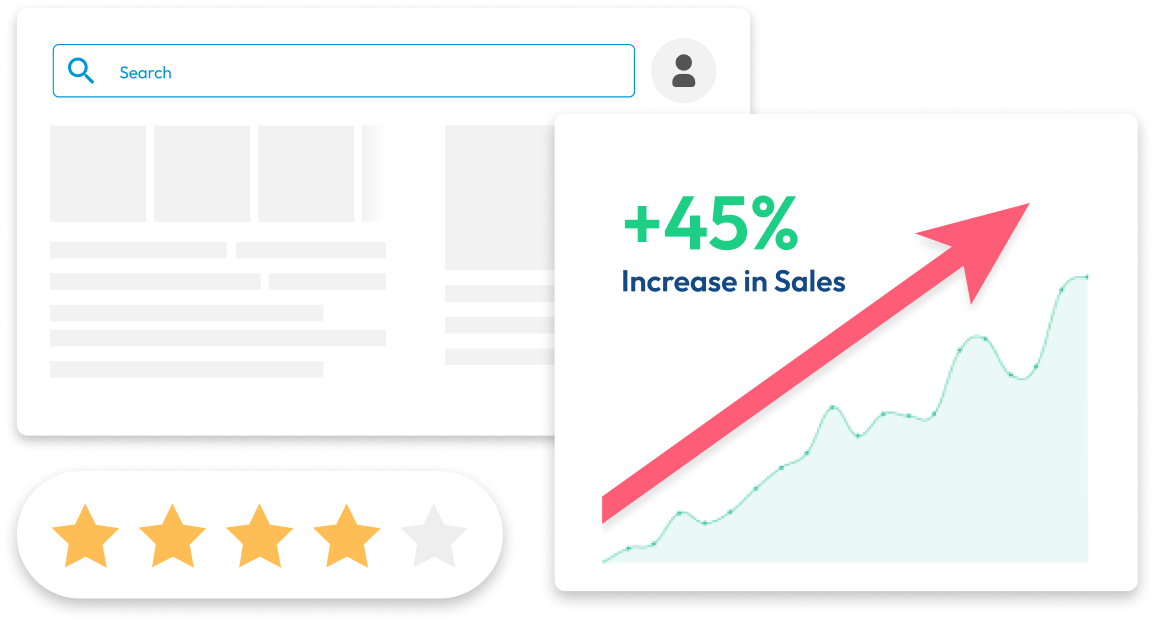
Red Flags When Choosing a Marketing Agency
Guaranteed rankings promises
Locked-in contracts and hidden fees
No clear process
How Much Should a Good Agency Cost
Where Australian budgets land
What cheap really costs
How to Choose a Digital Marketing Agency in Australia
A five step shortlisting process
Where to verify reputation
Frequently Asked Questions
How do I know if I need a marketing agency or a marketing consultant?
What is the most important thing to check before hiring an agency?
How much should a digital marketing agency cost in Australia?
What are red flags when choosing an agency?
How long before a new agency delivers results?


Latest Blog



WINNER
FINALIST
FINALIST
WINNER
WINNER
FINALIST
FINALIST
WINNER

Xugar Holiday Offer