SEO for Builders: The Project Searches That Win Contracts
Builders cannot win the head terms and do not need to. The project searches that convert, the pages that earn
Read More about SEO for Builders: The Project Searches That Win Contracts Back To Home

One of the first questions every business owner asks me is simple: how much should we actually spend on digital marketing? It is the right question to ask, because most of the money wasted in this industry gets wasted by businesses that never set a proper budget in the first place. As a digital marketing consultant, I have worked with Australian businesses across Melbourne, Sydney and beyond, and I see the same pattern everywhere. Owners either spend too little to make anything work, or they spend plenty in the wrong places and wonder why nothing came back. A clear budget plan fixes both problems before they start. If you want to skip the guesswork entirely, book a free strategy session and we will map your spend against your goals together. It is rarely the tactics that let a business down. It is the planning. The budgets that fail tend to share the same four problems: A budget is not just a number. It is a plan for what you expect the money to do, and how you will know if it is doing it. A practical starting range I use with clients is roughly 5 to 10 percent of revenue toward marketing, with digital taking most of it. For context, Gartner's 2025 CMO Spend Survey, covering 402 marketing leaders mostly at larger companies, put average marketing budgets at 7.7 percent of company revenue, and the US Small Business Administration says there is no single correct figure, with marketing spend varying widely by industry. Treat the range as a rule of thumb, not a law: it fits some industries better than others, and what matters more than the percentage is the logic behind it. Decide what a new customer is worth to you, decide how many you want, and set the budget that gives you a realistic shot at it. If the numbers do not add up, you have learned something useful before spending a dollar. Search ads buy immediate visibility. SEO builds an asset that keeps sending enquiries. Content earns trust and feeds both. A budget without jobs assigned to it gets spent on whatever is loudest that month. Set aside a portion of the budget that you are allowed to spend on experiments. Not every test works, but every winner you find pays for the losers many times over. There is no perfect split that fits every business, but a useful starting point for many Australian businesses looks like this: The businesses that win are not the ones that spend the most. They are the ones that know what each dollar is for. Are you doing SEO or Ads? Stop wasting money on ads that are not working. If any of these sound familiar, a quick marketing audit will show you exactly where the money should move instead. A practical planning range for a growing business is 5 to 10 percent of revenue, with digital taking the largest share. It is working guidance from client programs, not a hard rule, and published survey averages sit near the middle of that band: Gartner's 2025 CMO Spend Survey measured 7.7 percent of company revenue. The right number depends on your industry, your margins and how fast you want to grow. There is no single correct percentage. In practice, a working range many businesses plan from is 5 to 10 percent of revenue, with more aggressive budgets in growth phases. Service businesses with strong margins can often sustain more, while very new businesses may need to spend a higher share to build visibility from zero. Both have a role, but they work differently. Ads give you traffic quickly and stop when you stop paying. SEO takes longer to build but keeps sending enquiries without ongoing media spend. Many businesses start with a small ad budget while SEO compounds in the background. Paid ads can show results within days or weeks when the offer and targeting are right. SEO and content typically take months to build momentum, then keep working for years. The fastest way to shorten the timeline is proper measurement from day one. You can handle some of it, but your time is also a budget item. Business owners who spend twenty hours a week learning ads often find it is cheaper to work with a consultant who does this every day and can prove the return. A marketing budget should not be a guess and it should not be a gamble. It should be a plan that says what you will spend, what you expect back, and how you will measure it. That is the difference between spending on marketing and investing in growth. If you are an Australian business ready to make every dollar count, get in touch for a free strategy session. We will look at your goals, your numbers and your market, and build a plan that fits your budget rather than breaking it.
Why Most Digital Marketing Budgets Fail
Start With Revenue, Not Tactics
1) Work backwards from the outcome you need
2) Give each channel a job
3) Leave room to test
Where the Money Goes: SEO, Ads and Content
Get a free consultation with us
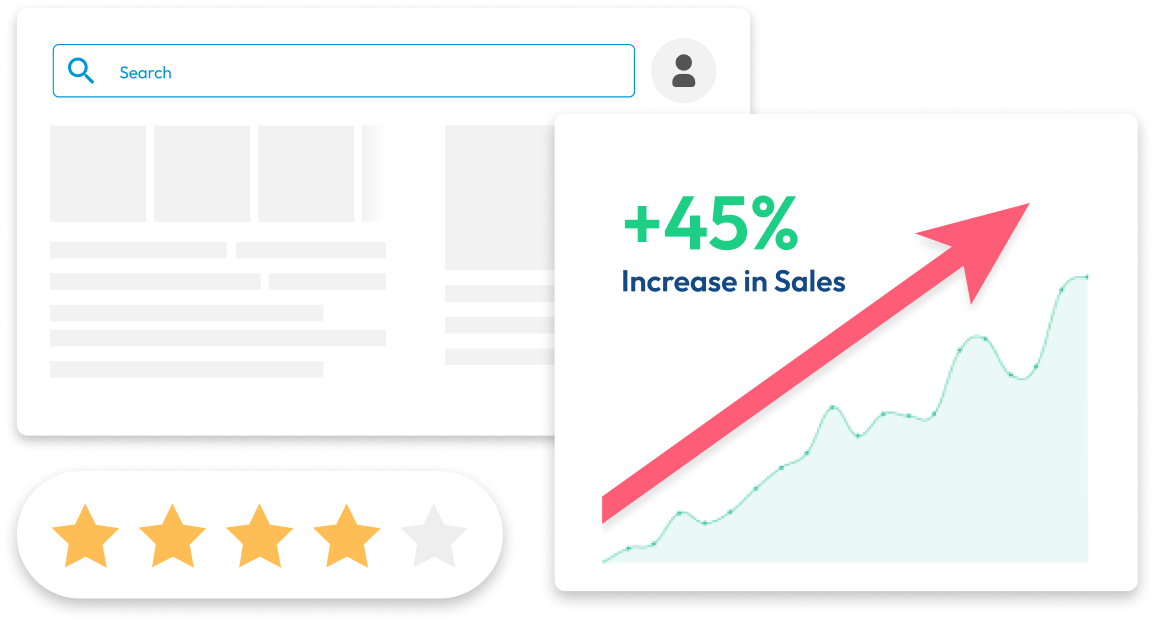
Signs You Are Spending in the Wrong Place
Frequently Asked Questions
How much should a small business spend on digital marketing in Australia?
What percentage of revenue should go to marketing?
Is SEO or Google Ads the better place to start?
How long before digital marketing pays for itself?
Can I manage digital marketing myself with a small budget?
Get Your Marketing Budget Right From the Start


Latest Blog



WINNER
FINALIST
FINALIST
WINNER
WINNER
FINALIST
FINALIST
WINNER

Xugar Holiday Offer