

SEO for Builders: The Project Searches That Win Contracts
Builders cannot win the head terms and do not need to. The project searches that convert, the pages that earn
Read More about SEO for Builders: The Project Searches That Win ContractsAlmost every business owner asks me this in the first call, and it deserves a straight answer: three to six months before results show, longer in competitive markets, and sometimes close to a year before Google fully works out a brand new site. That is not me being cautious for the sake of it. It is what the people who run SEO campaigns report, and it is what my own 13 years in the industry back up. This post gives you a month by month reality check so you stop expecting overnight rankings and start judging SEO on the milestones that actually matter. If you want the headline number, here it is from Ahrefs' research: "It typically takes three to six months for SEO to show results. That's according to the 3,680 people who responded to our polls on LinkedIn and X." Industry reporting lands in the same place. Search Engine Land's guide puts it this way: "SEO typically takes three to six months to produce measurable results, and in competitive industries it can take six to 12 months to see significant ranking and revenue impact." Ahrefs polled 3,680 SEO practitioners and the consensus is consistent: most campaigns need at least a quarter before the work translates into visible movement. The fastest wins come from technical fixes and easy content gaps, while competitive terms build slowly. Anyone who promises rankings in weeks for a serious keyword is telling you what you want to hear, not what search engines do. SEO is not slow because providers are slow. It is slow because search engines have to do real work before they reward your site. Before a page can rank, Google has to find it, crawl it, understand it and decide it deserves a position. New content has to be discovered and evaluated. Changes to your site have to be re-crawled and re-assessed. Each of those steps takes time, and the process repeats every time your pages change. Rankings follow trust, and trust is earned through consistency: useful content published over time, links from relevant sources, and a site that behaves the way Google expects. That kind of reputation cannot be switched on. It compounds, which is exactly why the first months feel slow and the later months feel like momentum. Here is how a typical campaign progresses, keeping in mind that every site is different. Early work focuses on what can move quickly: technical problems that block crawling, page titles and meta descriptions, internal linking and the highest value content gaps. In this phase you may see movement on easier terms, but the big keywords usually sit still while the groundwork is laid. By this stage, search engines have crawled the updated site and new content is being indexed. Measurable results start showing on medium difficulty keywords, and impressions typically grow even where clicks lag. This is the phase where most honest campaigns begin to look like they are working. Competitive terms need sustained authority, which is why the six to 12 month window is where they usually shift. For brand new domains, Google can take even longer to develop trust, which is why the sites that win are the ones that keep publishing and fixing while their competitors quit. Your timeline depends less on the calendar and more on the starting position of your site. An established domain with existing authority can rank new content quickly because Google already trusts it. A brand new domain starts with no track record, which is why "Google's John Mueller has even said that it could take up to a year for Google to figure out where to rank new sites." Low competition keywords can move in weeks. High competition keywords, where established national players dominate, take months of accumulated work. Match your early expectations to the difficulty of the terms you are actually targeting. A fast, clean site with genuinely useful content shortens the timeline. A site with technical problems, duplicate content and thin pages stretches it, because search engines have to work harder to understand what deserves ranking. Are you doing SEO or Ads? Stop wasting money on ads that are not working. SEO pays for itself when the enquiries it produces are worth more than the monthly investment. For a business with a solid conversion rate, that point usually arrives inside the first year, and the months after that keep compounding because rankings are an asset you hold rather than traffic you rent. The honest way to look at it: the first six months are the setup period, and the months after are where the return builds. Businesses that judge SEO only on the first quarter are measuring an investment before it matures. While you wait for rankings, watch the leading indicators, because they move before traffic does. Google Search Console shows the queries your pages appear for, your average position and your impressions. Growing impressions mean Google is finding and considering your pages, even before clicks arrive. Growing average position on the right queries means you are closing in on visible results. Track those numbers monthly and you will see whether the campaign is on track long before the traffic spike. If you are not sure your technical base is solid enough to build on, run through a technical SEO checklist first. Problems underneath will cap everything above. New sites need patience most of all, because they start with no authority and no history. Google treats brand new domains cautiously while it works out what they are and who they serve. That is normal and it is not a penalty. It means your job in year one is to give Google clear signals: consistent content, a clean technical setup and genuine reasons to trust the site. The sites that treat the first year as a foundation building period are the ones that rank well in year two. Yes, within limits. Fixing technical problems, targeting lower competition keywords, producing genuinely useful content and building relevant links all shorten the timeline. But no one can honestly promise top rankings in weeks for competitive terms; three to six months is the realistic starting point most practitioners report. New or low competition pages can rank quickly when search demand is small and the content is a clear match. Established sites also move faster because Google already trusts their domain. The sites you hear about ranking in weeks are usually not competing for hard keywords. For many sites, movement starts between months one and three on easier terms, with measurable results more common from month three to six. Google's John Mueller has said new sites can take up to a year to be properly understood, so patience matters most for brand new domains. Track the right things in Google Search Console: impressions, average position, and which queries your pages appear for. Impressions and position can improve before clicks do, so watch the whole picture rather than only traffic. No. The sites that hold rankings keep publishing, fixing, and building authority. Think of the first six months as the setup period, and the months after as compounding returns on consistent work. SEO works, but it works on search engine timelines, not yours. Three to six months for measurable results, longer for competitive markets and new domains, and compounding returns after that. If you want a realistic timeline for your actual site, start with an SEO audit before you start. It shows what is fixable now and gives you a plan based on where your site really stands. For honest answers about what SEO can do for you and how long it takes, speaking to an SEO consultant who has run these campaigns before is the shortest path to realistic expectations.
How Long Does SEO Take to Work?
What the Ahrefs Poll of 3,680 SEOs Shows
Why SEO Takes Time
Search Engines Must Crawl, Index and Trust
Authority Is Built, Not Bought
A Realistic Month by Month SEO Timeline
Months 1 to 3: Foundations and Quick Fixes
Months 3 to 6: Content and Authority Start Landing
Months 6 to 12: Competitive Keywords Move
Factors That Speed Up or Slow Down SEO
Website Age and Authority
Keyword Competition
Content and Technical Quality
Get a free consultation with us
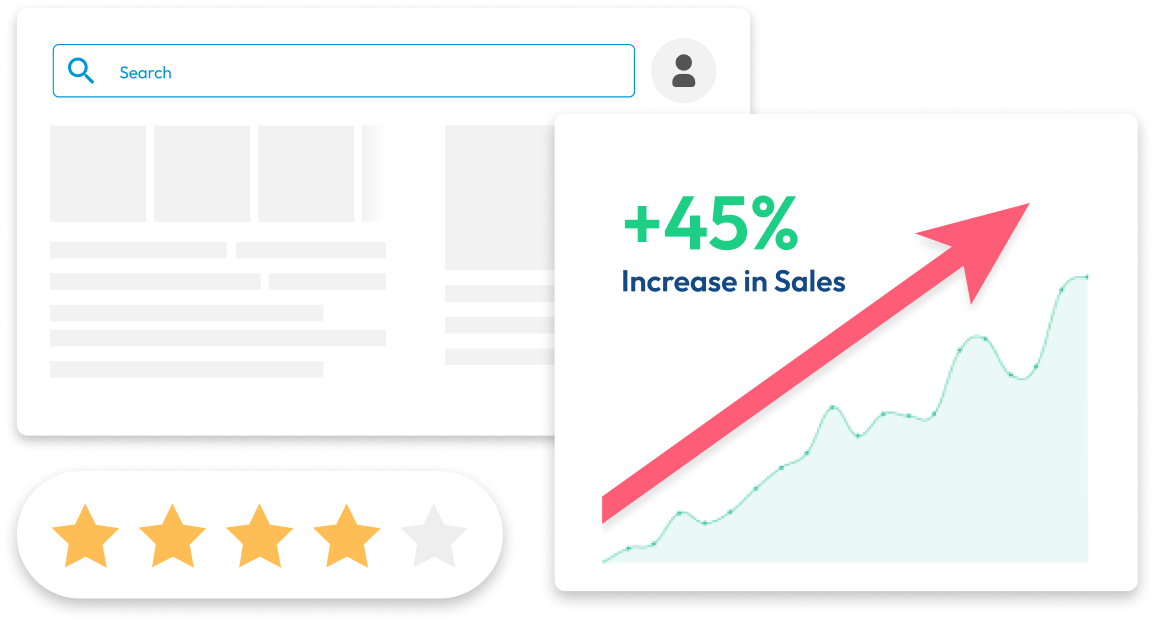
How Long Until SEO Pays for Itself?
How to Tell If SEO Is Working
What to Track in Search Console
What New Websites Should Expect
Google's View on New Sites
Frequently Asked Questions
Is there any way to get SEO results faster?
Why do some sites rank in weeks?
When should I expect my first rankings?
How do I know if SEO is working while I wait?
Is SEO a one-off effort?
Conclusion: Set Expectations Before You Spend


Latest Blog



WINNER
FINALIST
FINALIST
WINNER
WINNER
FINALIST
FINALIST
WINNER

Xugar Holiday Offer