

SaaS Marketing for Australian Software Companies
SaaS marketing in Australia: how software businesses get found by buyers, earn trust before the trial, and convert signups into
Read More about SaaS Marketing for Australian Software CompaniesI get asked this question weekly by Australian business owners, and most of them expect me to sell them whichever platform I happen to manage. I do not work that way. The honest answer is that Google Ads and Facebook Ads do different jobs, and the right choice depends on what your business sells, who searches for it, and how fast you need results. This post compares the two without platform bias: how search intent and social targeting differ, what the benchmarks show, what each platform costs, and a simple decision rule you can apply to your own business. By the end you will know which one deserves your first dollar, and how to test the other without burning your budget. The biggest mistake is treating these two platforms as competitors when they are actually different tools for different stages of the buying journey. Google Ads shows your ad to someone at the exact moment they search for what you sell. They type "plumber near me" or "bookkeeping software for tradies" and your ad appears alongside the results. These people are already looking, already warm, and already close to a decision. Search ads catch demand that already exists. Facebook Ads shows your ad to someone who may never have thought about your product. Targeting is built on interests, behaviours and lookalike audiences, not on an active search. These people are cold, but they are plentiful. Social ads create demand that did not exist a minute earlier. Clickthrough rate is the share of people who see your ad and click it, and the averages highlight how different the two jobs are. According to Search Engine Journal's Google Ads benchmarks, "The average click-through rate for Google & Microsoft Ads across all industries averaged out to 6.64% over the last 12 months." That figure makes sense when you remember what search ads are: people see them at the moment they are looking for exactly that thing. A search ad for "emergency plumber" gets clicked because the searcher needs an emergency plumber right now. Social ads live in a feed full of distractions, so a far smaller share of impressions turn into clicks. Different jobs, different numbers. Are you doing SEO or Ads? Stop wasting money on ads that are not working. Costs vary by industry, market and competition, but the published benchmarks give a useful starting point. The same Search Engine Journal research found that "The average cost-per-click for Google and Microsoft Ads across all industries over the past 12 months averaged $5.42." It also reported that "The average cost per lead across all industries for Google and Microsoft Ads in the last twelve months was $66.69." Those figures are global averages reported in US dollars, and Australian costs will differ by market and industry. Treat them as direction, not gospel. What matters for your decision is the relative shape: search clicks cost more per click but convert at a far higher rate because the searcher is already looking. Facebook clicks are usually cheaper, but more of them are curiosity rather than intent, so you need more of them to produce an enquiry. For lead generation, Google Ads wins for established products and services that people actively search for. When someone searches "conveyancer Melbourne" or "hot water system installation", they have a problem and a budget. Google Ads puts you in front of them at that moment, and the enquiry quality is typically higher because the intent was already there. Facebook Ads wins for products people do not know they need yet, and for audiences you can describe precisely: new homeowners, renovators in a postcode range, business owners in an industry. If nobody is searching for what you sell, Google Ads has nothing to catch. Facebook lets you go and find the people instead. Facebook Ads is the stronger brand awareness tool, mainly because of reach. According to DataReportal's Essential Facebook Statistics, "Data published in Meta's own tools (a) show that Facebook ads reached 2.28 billion users in January 2025." When your goal is to be seen by as many relevant people as possible, social reach is the point. Google Ads can build awareness too, through display and YouTube placements, but its strength is always intent. If your goal is awareness first and enquiries later, Facebook is usually the more efficient starting point. Search demand is finite. Only so many people search for "accountant for tradies" in a month, and if nobody searches, no amount of budget creates demand. Social reach is enormous: the DataReportal figure above shows Facebook alone reaches over two billion users, and Meta's broader family goes further. The constraint on search is demand. The constraint on social is relevance and creative quality. This is the practical takeaway: check whether search demand exists for what you sell before you choose. If it does, Google Ads converts that demand efficiently. If it does not, Facebook is how you build the demand yourself. Use this decision rule. If people in your market already search for what you sell, start with Google Ads: it produces enquiries faster because you appear when someone is already looking. If your offer is new, seasonal or something people do not search for, start with Facebook: it introduces the service to people who did not know they needed it. For an established service business like a plumber, builder or accountant, that usually means Google first. For a new product, an event, or a service solving a problem people do not yet recognise, Facebook first. If you want to understand the structure side before you commit, read how Google Ads campaigns are structured for Australian businesses. You do not have to bet the budget on one platform. Run a structured test instead. Give each platform a separate budget, set up tracking so you can see genuine enquiries and sales from each, and run both for long enough to collect a statistically useful sample of clicks. Usually that means several weeks of spend at a level you can sustain, not a weekend experiment. Start with a small daily budget per platform, measure enquiries and cost per enquiry rather than clicks, and let the data decide. If you already have a campaign running and you are unsure whether it is built properly, audit an existing campaign before scaling it. To support the social side, social media marketing services that support paid social are worth having in place, and you can set a testing budget with the marketing budget calculator that will not hurt if it takes a month to find the winner. Google Ads and Facebook Ads are not enemies. They are two different jobs: one catches demand, the other creates it. The businesses that do well usually pick the platform that matches their market first, run it properly, and only then add the second one with separate budgets and honest tracking. Not sure which platform suits your industry? Book a call and get a straight answer before you spend. You will leave knowing which one deserves your first dollar, what a sensible testing budget looks like, and what to measure so you are not guessing at the end of the month. For an established service people search for, Google Ads usually produces enquiries faster because you appear when someone is already looking. Facebook works better when you need to introduce a service people do not yet know they need. The cited benchmark studies report global averages in US dollars. Australian costs differ by market and industry, which is why the post treats the numbers as direction and recommends testing with your own data before scaling. Yes, and many businesses do, but with separate budgets, separate tracking and a clear idea of which job each platform is doing. Starting both badly is worse than starting one properly. Enough to generate a statistically useful sample of clicks for your industry, usually several weeks of spend at a level you can sustain. A marketing budget calculator can help you set the starting number. Comparing cost per click across platforms as if clicks were equal. A search click and a social click are different stages of the buying journey, so compare cost per genuine enquiry and cost per sale, not cost per click.
Google Ads vs Facebook Ads: Two Different Jobs
Search Ads Catch Demand
Social Ads Create Demand
What the CTR Benchmarks Show
Get a free consultation with us
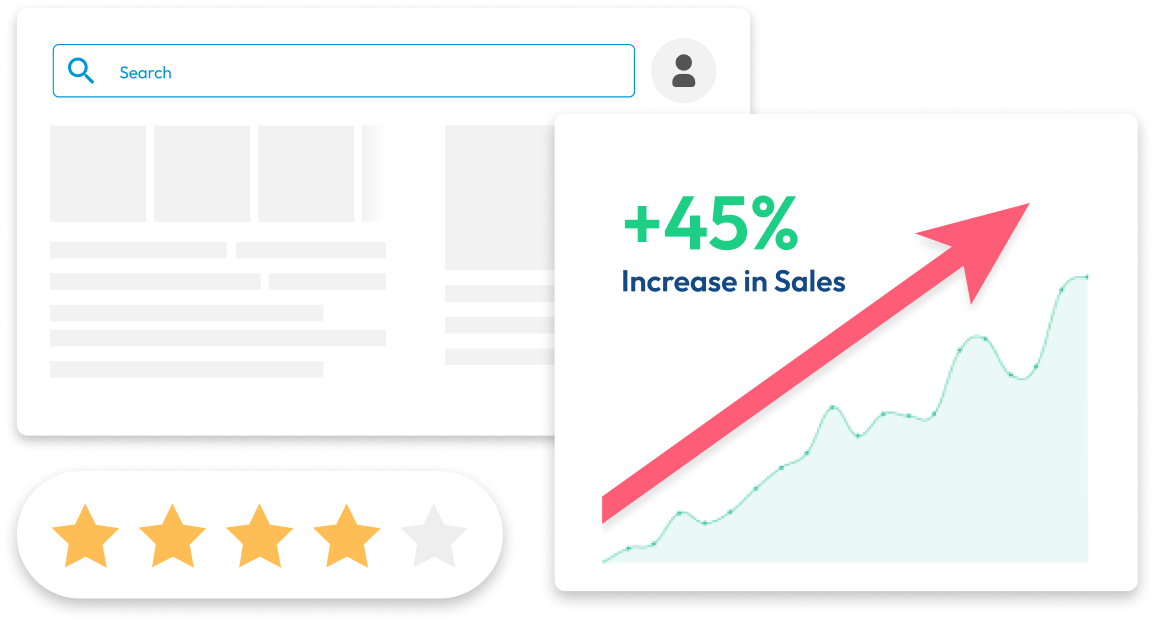
What Each Platform Costs in 2026
Which Is Better for Lead Generation
Which Is Better for Brand Awareness
Audience Size: Search Demand vs Social Reach
What an Australian Small Business Should Do First
The Low-Risk Way to Test Both
Frequently Asked Questions
Is Google Ads or Facebook Ads better for a tradie or local service business?
Why are the cost figures above in US dollars?
Can I run both at the same time?
How much should I budget to test each platform?
What is the biggest mistake when comparing the two?


Latest Blog



WINNER
FINALIST
FINALIST
WINNER
WINNER
FINALIST
FINALIST
WINNER

Xugar Holiday Offer