

SEO for Builders: The Project Searches That Win Contracts
Builders cannot win the head terms and do not need to. The project searches that convert, the pages that earn
Read More about SEO for Builders: The Project Searches That Win ContractsIn 13 years working with Australian businesses, I have watched small business owners waste money doing everything at once and nothing well. They sign up for five platforms, post nowhere consistently, and quit before any channel has time to work. This post is the practical starting point I give every business owner who asks where to begin: a credible website, a Google Business Profile, one or two channels done properly, and simple tracking so your decisions come from data instead of guesses. Read it, pick the first 90 days plan, and start this week. Digital marketing is any marketing that happens online: your website, search results, social media, email and paid advertising. For a small business it is not about being everywhere. It is about being visible where your customers actually look, with a message clear enough that they choose you. The channels that matter most are the ones your customers use to find and choose local businesses: search engines, Google Business Profile, one social platform where your audience spends time, email for repeat customers, and paid ads when you need speed. You do not need all of them at once. You need the right two or three done properly. Ignore the pressure to be on every new platform the week it launches. Ignore trends that do not fit how your customers buy. And ignore anything you cannot sustain, because consistency beats brilliance that fizzles out after a month. Australian customers research before they buy, and most of that research happens online. Small business is the backbone of the Australian economy, and the numbers are worth knowing. According to the ASBFEO Small Business Data Portal, based on ABS data measured by employment in June 2025, small business (0-19 employees) numbered 2,656,469, which is 97.3% of total businesses (2,729,648 total). Australian businesses are already active online. The ABS Characteristics of Australian Business survey for the 2024-25 financial year states: "More than half (51%) of businesses used social media for their online presence, an increase from 47% in 2021-22." The same survey shows the gap that creates opportunity: "One in ten (10%) businesses actively collected or analysed data to make informed decisions, down from 24% in 2021-22." Most of your competitors are not measuring anything. Simple tracking puts you ahead of them before you spend another dollar. Every channel sends people somewhere, and that somewhere is your website. If it does not load fast, work on a phone, and explain what you offer, every other channel is leaking money. You do not need a large site to start. You need a site that answers four questions in seconds: what you do, who you do it for, where you are, and how to contact you. One well built page beats ten half finished pages every time. Most Australian searches happen on phones, so test your site on one before you test it on a laptop. Keep the design simple, compress the images, and make the offer obvious: the service, the outcome and the next step. A clear call to action on every page turns visitors into enquiries. Think of your marketing as a small stack of tools that work together, not a collection of random accounts. Search brings people who are already looking for what you sell. Social builds awareness and community. Email keeps past customers coming back. Paid ads accelerate results while the other channels build. Each has a job, and a small business wins by giving each job to the right channel rather than spreading every budget across all of them. Start with the free and low cost tools: Google Business Profile, Google Search Console, Google Analytics, and the scheduling tools inside your chosen social platform. You can run these yourself while your business is small. What most owners struggle with is not the tools, it is the time and consistency, which is why many eventually bring in help for strategy, content or paid ads. Are you doing SEO or Ads? Stop wasting money on ads that are not working. The businesses that win are the ones that measure, and the ABS data shows how rare that still is. Beyond the statistics already covered, the ABS survey states: "The proportion of businesses receiving orders online (32%) was similar to 2021-22 (30%)." Online selling has plateaued for many, which means the businesses that do measure and adapt are pulling away from the ones that do not. Set up Google Analytics and Search Console, decide the one number that means success for you, and review it monthly. Enquiries, calls and sales are the numbers that matter. Followers and likes are vanity unless they lead somewhere. Most small business marketing failures follow the same patterns, and they are all avoidable. Five channels run badly beat one channel run well. When you spread a small budget and limited time across everything, nothing gets enough attention to work. Pick one primary channel, run it consistently for a quarter, measure it, and only then add the next. For a local business, your Google Business Profile is often the difference between being found and being invisible. Businesses that ignore it lose enquiries to competitors who claim it, complete it, post updates and respond to reviews. It is free, and it is the fastest local win available. You do not need a perfect long-term plan to start. You need a plan for the next 90 days, with clear jobs each month. Work out what you can spend and sustain before you choose channels. A useful starting point is to work backwards: decide what a new customer is worth, decide how many you want, and set the budget that gives you a realistic chance. Pressure test the numbers with a marketing budget calculator so the plan is built on maths, not hope. For a structured approach, consider marketing strategy services that turn your goals into a sequenced plan. Start the plan by fixing the website and claiming your Google Business Profile, then publish consistently on your one chosen channel and set up tracking, then review the data, keep what works, and cut what does not. No. Most Australian businesses do not need every channel, and trying to run them all poorly is the fastest way to waste time. Pick one platform where your customers actually spend time and do it consistently before adding another. Start with what you can afford to sustain, because consistency beats bursts. Use the calculator approach: work out your budget first, then choose channels that fit it. Whatever you spend, track the results so the next dollar goes where the last one worked. Yes, for the fundamentals: a clean website, a claimed Google Business Profile, and one active channel. What most owners struggle with is time and consistency, which is why many eventually bring in help for strategy, content or paid ads. For most local small businesses, the order is: a credible website, Google Business Profile, then one channel matched to where your customers search or spend time. Search engine visibility tends to compound, so it is usually the right early focus. Decide your one main goal, whether that is enquiries, calls, or sales, and measure it from day one. ABS data shows only one in ten Australian businesses actively analyse data to make decisions, which means simple tracking already puts you ahead of most competitors. Digital marketing for small business does not have to be complicated or expensive. It has to be consistent and measurable. Fix the website, claim your Google Business Profile, run one channel properly, and track the results. That foundation beats a hundred scattered tactics. If you want a second opinion on where to start, send a message and get a straight answer about the first 90 days for your business. And if you are in Melbourne or work with a Melbourne based partner, small business digital marketing help is what I do every day, so you can skip the trial and error.
What Is Digital Marketing for Small Business?
Channels That Matter for Small Business
What to Ignore in Year One
Why Small Business Needs Digital Marketing in Australia
The Size of the Australian Small Business Market
How Australian Businesses Use Online Channels
Where to Start: Website First
The Minimum Viable Website
Speed, Mobile and Clear Offers
The Small Business Marketing Stack
Search, Social, Email and Paid
Tools You Can Run Yourself
Get a free consultation with us
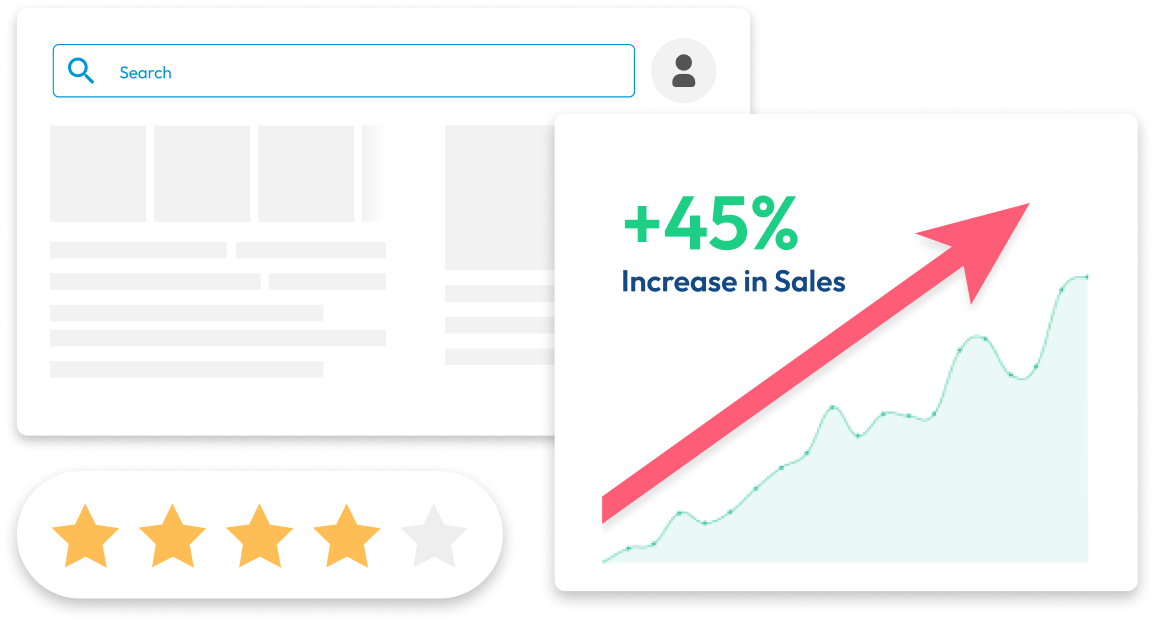
Using Data Instead of Guesses
What the ABS Data Tells Us
Tracking What Works
Common Mistakes Small Business Make
Doing Everything at Once
Ignoring Google Business Profile
How to Plan Your First 90 Days
Set a Realistic Budget
Frequently Asked Questions
Do I need to be on every social platform?
How much should a small business spend on digital marketing?
Can I do digital marketing myself?
Which digital marketing channel should I start with?
How do I know if my digital marketing is working?
Conclusion: Take the First Step This Week


Latest Blog



WINNER
FINALIST
FINALIST
WINNER
WINNER
FINALIST
FINALIST
WINNER

Xugar Holiday Offer