

SEO for Builders: The Project Searches That Win Contracts
Builders cannot win the head terms and do not need to. The project searches that convert, the pages that earn
Read More about SEO for Builders: The Project Searches That Win ContractsAccount based marketing (ABM) has been sold to Australian B2B teams as a silver bullet for years, and most of the disappointment I see comes from one misunderstanding. ABM is not a campaign. It is an agreement between sales and marketing to work the same short list of companies, and it only produces results when both sides keep that agreement for quarters rather than weeks. This is the unglamorous version. What the list should look like, who you are actually selling to, what to measure, and how long it really takes. Account based marketing is the practice of choosing a named set of companies you want as customers, then building marketing and sales activity around reaching the specific people inside them. It reverses the usual order. Instead of generating as many leads as possible and filtering afterwards, you start with the names and work outwards. Lead generation starts with volume. You attract as many qualified enquiries as you can, then work the ones worth working. ABM starts with a list. You decide which companies would change your year, then build everything around getting and keeping their attention. The two can coexist, and in most Australian B2B businesses they should. Inbound keeps the pipeline warm while ABM works the accounts that matter most. What has to be different is the measurement, because the numbers that make inbound look healthy tell you almost nothing about whether ABM is working. ABM is the wrong tool when your deals are small and numerous. It trades reach for depth, and depth costs hours. If a single lost or won deal does not materially change your year, a broader inbound and search approach will usually return more per hour of effort. It is also the wrong tool when sales and marketing will not share a target list. Without that agreement you get two parallel conversations with the same buyer, which is worse than doing nothing, because it looks uncoordinated from the outside. Long cycles mean multiple people, multiple touches and months of silence in between. That is exactly the environment where a named account list outperforms a volume funnel, because the value of knowing who you are talking to compounds over time. When average deal size is high, the arithmetic changes. Winning three accounts out of twenty can justify work that would be irrational against a list of ten thousand. The published benchmark research supports the direction of travel: the ITSMA benchmark data catalogued by The Starr Conspiracy reports "208% Marketing-Sourced Revenue Lift, ABM-engaged accounts (Momentum ITSMA, 2024)". That figure describes accounts already engaged in an ABM motion, so treat it as evidence that the model concentrates effort where it can pay, not as a number you can promise your board in your first quarter. Australian B2B markets are small and connected. Your target account list is likely to include companies where someone in your network already knows someone in theirs. That is an advantage you do not get in larger markets, and it means warm introduction paths deserve a place in the plan alongside the paid and outbound activity. It also means reputation travels faster. A clumsy outbound sequence that annoys three mid-market buyers can reach the rest of the market before you have a chance to correct it. The list is the strategy. If the list is wrong, everything downstream is wasted effort dressed up as activity. Start with firmographics: industry, headcount, revenue band, location and the technology or systems they already run. These are filters you can apply without guessing, and they remove most obviously wrong accounts before you spend any time on them. Then layer in intent. Intent signals are the evidence that something has changed inside the account, a funding round, a new operations hire, expansion into a new state, a tender, a job ad that names the problem you solve. Intent is what tells you the timing, and timing is most of what makes outreach land. Start far smaller than you think. A pilot of twenty to thirty accounts is enough to learn what your buying committee responds to and whether sales and marketing can actually work the same list. You can always add accounts once the process is producing pipeline. You cannot easily recover from a five hundred account list nobody has time to service, because the activity looks busy while nothing moves. If you want a second opinion on whether your list reflects your best commercial opportunity, B2B marketing consulting for long sales cycles starts with exactly that question. B2B deals are decided by groups, not individuals. Mapping the committee is not a paperwork exercise, it is how you stop a deal dying in a meeting you were never in. Every significant deal has at least three roles. Someone signs, someone holds the budget and the risk, and someone lives with the consequences of the decision every day. Often a fourth person can quietly block the whole thing, typically in finance, IT or compliance. Write down a name for each role on your pilot accounts. Where you cannot name a person, that is the gap your marketing needs to close first. The signer needs commercial outcome, risk and cost. The budget holder needs proof that the numbers hold up and that the implementation will not embarrass them internally. The daily user needs to know the work gets easier, not harder. The potential blocker needs to see security, compliance and integration answered before they have to ask. Most ABM content fails here. The same brochure goes to all four roles, so none of them gets the answer they actually need. Content for ABM is not a blog calendar. It is a small number of assets that each do a specific job for a specific role at a specific stage. At awareness, the job is to be recognisable and relevant when the problem first surfaces, usually through a useful explanation of the problem rather than a pitch. At consideration, the job is to prove you understand their situation, which usually means a walkthrough built for them, a comparison or a diagnostic. At decision, the job is to remove risk: implementation detail, references, a clear commercial case. You do not need a separate asset for every account. You need one strong asset for each stage and a plan for how the account-specific detail gets layered on top. Content built for each buying stage is the difference between sending the same PDF twice and running a sequence that actually advances the deal. Personalisation at scale is mostly operational. Build the core asset once, then vary the opening, the example and the commercial detail for each account or cluster. That is enough to show you did the work without rebuilding the whole document thirty times. Channels matter far less than consistency in ABM. The same buyer should encounter aligned messages wherever they meet you, not a marketing voice in one place and a completely different sales voice in another. LinkedIn and direct email tend to do the heavy lifting in Australian B2B. Advertising on LinkedIn builds familiarity with the roles you have identified, while direct email carries the specific message that matches where the account sits. Direct outreach through existing relationships belongs on top of both, because a warm introduction shortens everything. Set a simple rhythm: marketing sees which accounts are engaging and tells sales, sales records what accounts are saying and tells marketing, and both work from the same list in the same tool. If that loop does not exist, the engagement data never reaches the person who could act on it. Are you doing SEO or Ads? Stop wasting money on ads that are not working. Measurement is where most ABM programmes quietly fail, because the reporting is built around lead generation and lead generation metrics cannot see what ABM is doing. Move your primary metrics up the funnel to pipeline value on your target account list, average deal size and win rate. Then compare those numbers against accounts you did not target. That comparison is the only honest control group you have. The benchmark research points the same way on the upside, with the ITSMA data reported via The Starr Conspiracy recording "171% average qualified-pipeline lift from mature ABM programs versus matched non-ABM controls (ITSMA 2024 Benchmark Study, March to May 2024)". Read the qualifier carefully: that result describes mature programmes, defined in the source as those running twenty four months or longer. It is not a forecast for a programme in its first quarter. Last touch attribution credits whichever click happened closest to the deal closing. In B2B, that is frequently a branded search or a direct visit after months of unseen engagement, so the marketing that actually moved the account gets no credit at all and the channel that merely happened to be last looks like the hero. For ABM specifically, the corroborating figure is that "76% of mature ABM practitioners report higher ROI from ABM than from any other marketing investment (ITSMA 2024 Benchmark Study)", published in the same benchmark hub. Practitioners who run it are comparing revenue outcomes, not click attribution. That is the standard worth copying. Anyone promising ABM results inside a quarter is guessing. Plan in quarters from the start and tell your stakeholders the same thing. In the first three months you are building: the list, the committee map, the content and the sales and marketing agreement. Leading indicators such as engagement from target accounts, replies and meetings booked should start appearing here, and those are what you report early. Between months four and nine, the work should be producing qualified conversations and the first pipeline that can be traced back to named accounts. Beyond that, the programme is either compounding or it is not. The published benchmark for patience is specific: the same ITSMA benchmark hub records "18 months: median time to mature performance, from program launch (ITSMA, 2024)". If your expectation is a fully mature channel within two quarters, that expectation is out of step with what the research shows. Three signals tell you early. Engagement from target accounts stays flat despite consistent activity. Meetings happen but never involve the person who signs. Or sales and marketing are still running separate lists months in. All three are fixable, but only if you look for them deliberately rather than waiting for the year to end. Treating ABM as a marketing campaign. If sales are not working the same list, it is a lead generation campaign with a smaller audience. Choosing too many accounts. A list nobody can service produces activity without progress, and it hides the accounts that would have responded. Sending the same content to every role. The signer, the user and the blocker need different answers, and one brochure cannot give them. Reporting lead volume. Leads under-report ABM by design, because the buying committee usually researches long before anyone fills in a form. Quitting at month three. The early indicators are slow and the total spend looks high relative to visible pipeline, which is exactly when programmes get cut. Pick twenty to thirty accounts that genuinely matter. Name a person for each role on the committee. Choose one asset per buying stage and layer account-specific detail on top. Agree with sales on what engagement and meetings will be logged, and compare against untouched accounts each month. Then give it two full quarters before you judge it. If you want the list and the pilot design pressure tested first, a marketing strategy built around your pipeline is the right conversation, and if you are unsure whether your current funnel can support ABM at all, it is worth taking the time to audit how your funnel is performing now before you commit the budget. Tell me who you want to win and I will tell you whether ABM is the right tool for those accounts. It can be, if your average deal size justifies the effort. ABM trades reach for depth, so it makes sense when a single lost or won deal materially changes your year. If your deals are small and volume driven, a broader inbound and search approach will usually return more per hour spent. Start far smaller than you think. A pilot of twenty to thirty accounts is enough to learn what your buying committee responds to and whether sales and marketing can actually work the same list. You can always add accounts once the process is producing pipeline, but you cannot easily recover from a five hundred account list nobody has time to service. Plan in quarters, not weeks. The benchmark research puts median time to mature performance at eighteen months from programme launch. Early leading indicators such as engagement from target accounts and meetings booked should appear much sooner, which is why you track those in parallel with pipeline. Lead generation starts with volume: attract as many qualified enquiries as possible, then work them. ABM starts with a named list: decide which companies you want as customers, then build marketing and sales activity around reaching the people inside them. The two can coexist, but they need different measurement. LinkedIn and direct email tend to do the heavy lifting, supported by direct outreach where relationships already exist. What matters more than the channel is consistency: the same account needs to see aligned messages from marketing and sales rather than two separate conversations. Move your primary metrics up the funnel to pipeline, deal size and win rate on your target account list, and compare against accounts you did not target. Last touch attribution will almost always under-report ABM because the buying committee researches before anyone fills in a form.
What Account Based Marketing Actually Means
ABM vs Traditional Lead Generation
When ABM Is the Wrong Choice
Why ABM Suits Long B2B Sales Cycles
The Economics of Fewer and Bigger Deals
Where Australian B2B Buying Differs
Choosing Your Target Account List
Firmographic and Intent Signals to Filter On
How Many Accounts Is Too Many
Mapping the Buying Committee
Who Signs, Who Blocks and Who Influences
What Each Role Needs to Hear
Building Content for Each Buying Stage
Awareness, Consideration and Decision Assets
Personalisation Without Rebuilding Everything
Choosing Channels and Touchpoints
LinkedIn, Email and Direct Outreach
Coordinating Sales and Marketing Activity
Get a free consultation with us
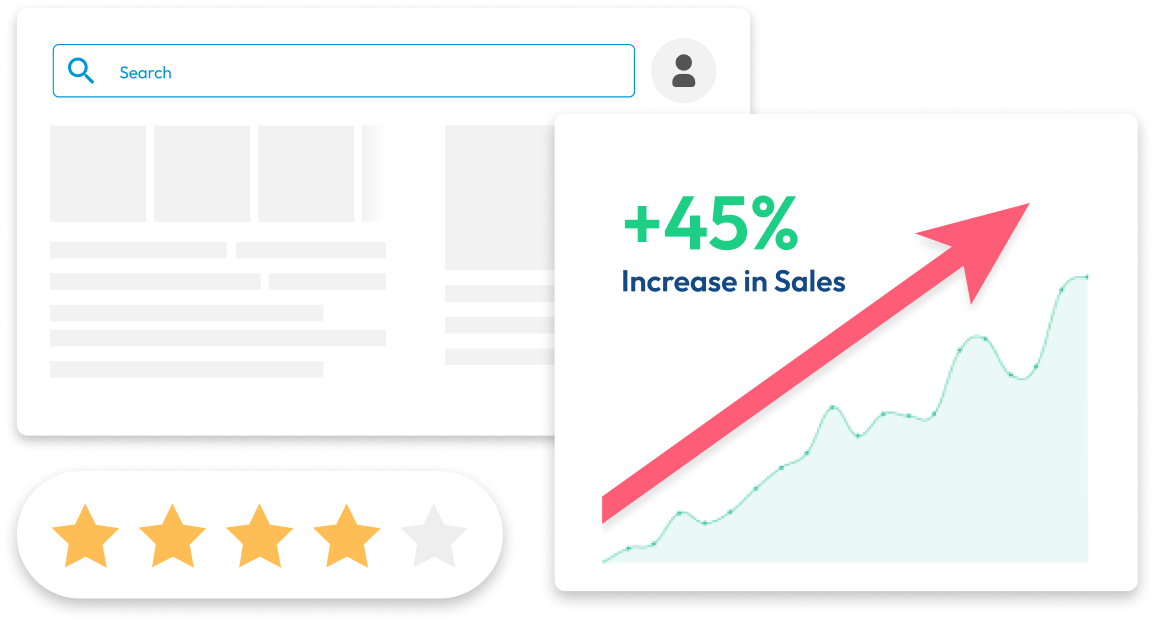
Measuring ABM Without Fooling Yourself
Pipeline, Deal Size and Win Rate
Why Last Touch Attribution Misleads You
The Realistic Timeline to Results
Months 1 to 3, Months 4 to 9 and Beyond
Signs the Programme Is Not Working
Common ABM Mistakes Australian Teams Make
Getting Started With a 30 Account Pilot
Frequently Asked Questions
Is account based marketing worth it for a small Australian B2B business?
How many accounts should we target?
How long before we see results from ABM?
What is the difference between ABM and lead generation?
Which channels work best for ABM in Australia?
How do we measure ABM if attribution is messy?


Latest Blog



WINNER
FINALIST
FINALIST
WINNER
WINNER
FINALIST
FINALIST
WINNER

Xugar Holiday Offer