

SaaS Marketing for Australian Software Companies
SaaS marketing in Australia: how software businesses get found by buyers, earn trust before the trial, and convert signups into
Read More about SaaS Marketing for Australian Software CompaniesAfter 13 years working with Australian businesses, I can tell you what most tradie clients do not ask for. They do not ask about rankings, or domain authority, or backlink profiles. They ask for jobs. The question behind every enquiry is the same: how do I get more local work without wasting money on marketing that does not deliver? This post is the honest version of SEO for tradies. It covers what actually moves enquiries for electricians, plumbers, builders and similar trades, what is a waste of time on a Friday night, and where to start this week. No jargon, no fluff, no promises of page one in a fortnight. Your customers search when they need you. A hot water system dies on a Sunday morning, a roof leaks before a storm, a bathroom renovation gets the green light. At that moment most homeowners open Google and look for a local business that can help. If you are not visible for that search, the job goes to whoever is. This is the biggest misunderstanding I see with trades businesses. You will never rank for the word "plumber" across the whole country, and you do not need to. You need to show up when someone in your service area searches for the specific work you do. That means "electrician in Cranbourne", "roofer on the Mornington Peninsula", "bathroom renovations in Geelong". Ranking happens one suburb and one service at a time, and that is exactly where the enquiries are. Most local customers follow the same pattern. They search for a service near them, look at the businesses that appear, check reviews, then call. The businesses that win are the ones that show up in that moment with a complete profile, a sensible website and a trail of recent reviews. The behaviour is well documented. According to the BrightLocal Local Consumer Review Survey 2026 (US results), "79% of US consumers have used the internet to find a local business in the last 12 months." The same survey reports that "71% of US consumers have consulted online customer reviews of local businesses." Australia runs on the same pattern: if people cannot find you online, they cannot hire you. SEO for a trade is not complicated. It is a handful of fundamentals done properly and kept current. These five give you most of the value. Your Google Business Profile is the single most important local asset you own. Claim it, verify it, and fill in every field: services, service areas, hours, phone number, website and photos of real jobs. A half finished profile tells Google you may not be a real operating business, and it tells customers the same thing. Reviews are social proof that search engines and customers both read. Send every finished job a review request while the work is fresh. Respond to the reviews you get, including the average ones, because how you handle feedback tells future customers a lot about how you run a job. Do not cram every service onto one page and hope for the best. If you do electrical safety checks, switchboard upgrades and EV charger installs, each deserves its own page that says what the service is, who needs it and how to book it. Each page is another chance to appear for a specific search. Name your actual service areas and the problems you actually solve. A page that mentions blocked drains, burst pipes and hot water replacements across the eastern suburbs is far more useful than one that just says "we do plumbing". Real suburb names and real problems are how Google connects you to the right local searches. Your business name, address and phone number should read exactly the same on your website, your Google Business Profile and every directory you appear in. Google uses those details to work out who you are and where you are. Small inconsistencies sound harmless, but they blur the signal. Are you doing SEO or Ads? Stop wasting money on ads that are not working. When someone searches for a local trade, Google shows a small group of businesses on a map at the top of the results. That group is the local map pack, and it decides most trades jobs. Get into it and enquiries arrive. Miss it and customers often do not know you exist. The gap is not small. According to the Semrush blog on local SEO statistics, "Businesses in the local map pack get 126% more traffic and 93% more calls, website clicks, and requests for directions compared to businesses ranked in spots 4-10." If your goal is more booked jobs, your goal is to earn that pack for the searches that matter to you. When a customer lands on your website from a local search, they want answers fast. A service page that works answers five questions within seconds: what you do, where you do it, how much it roughly costs, proof you are good, and how to book. If they have to hunt for any of those, they will go back to the results and call the next business. Keep each service page focused on one service and one area. Add a few genuine photos of your work, a short honest description of how you operate, and a clear call to action. That is enough. If you want to see how this plays out for real businesses, see the real trades SEO results in our trades case studies. SEO is not magic and it is not instant. It will not rescue a business with a bad reputation. It will not generate jobs if your pricing, your communication or your workmanship sends people elsewhere. It will not put you on page one in a week, and anyone who promises that is selling something you should not buy. SEO is one channel in a system. It works alongside answering the phone, quoting properly, doing good work and asking for reviews. Think of it as the way to get found by people who are already looking. The rest of the business still has to deliver. The honest answer is that it depends. Profile fixes and a steady review flow can move things within weeks, because Google Business Profile signals respond faster than website rankings. New pages and content typically take a few months to build, especially in competitive suburbs. A realistic expectation is the first meaningful enquiry movement in roughly three to six months, with compounding results after that. Local SEO is not a sprint, and that is a feature: businesses that rank well in your area tend to hold that position while they keep doing the basics. If you only do five things this week, do these: That is a full week of honest work, and it is the right foundation. If you want the theory behind the checklist, read what local SEO actually involves when it is done properly. You can do the basics yourself, and plenty of trades do. Hiring help makes sense when the work starts to outgrow your week: multiple service lines, several suburbs, a competitor who keeps outranking you, or a goal to scale leads without managing the detail work yourself. That is how an SEO consultant works with trades businesses: not by promising miracles, but by doing the ongoing work properly and showing you what is moving. If you want a read on your own situation before you spend anything, book a short call and get a straight answer about what your trade actually needs. You can also see more industries we have worked with if you want proof across different businesses, not just trades. Most trades leads come from local searches, so the work concentrates on your Google Business Profile, reviews and location signals rather than trying to rank nationally. Rankings matter per suburb and per service, not for the whole country. Expect the first meaningful enquiry movement in roughly three to six months, depending on competition in your suburbs and how far behind the basics are. Profile fixes and review volume can move faster than page rankings. A basic website still decides many jobs: customers check you exist, check your services and read your reviews before calling. It does not need to be fancy, it needs to answer the five questions below. Claim and fully complete the Google Business Profile, then send every finished job a review request. That alone lifts local visibility and trust faster than most paid ads. Doing the basics yourself is realistic. Hiring makes sense when you have multiple service lines or suburbs, or when you want to scale leads without managing the ongoing detail work yourself.
Why SEO Matters When You Are a Tradie
You Do Not Rank for Jobs, You Rank for Suburbs and Services
How Customers Actually Find Trades Businesses
The Five SEO Basics for Trades Businesses
Google Business Profile Done Properly
Reviews That Keep Coming In
One Page Per Real Service
The Suburbs and Problems You Serve
Consistent Name, Address and Phone Details
Get a free consultation with us
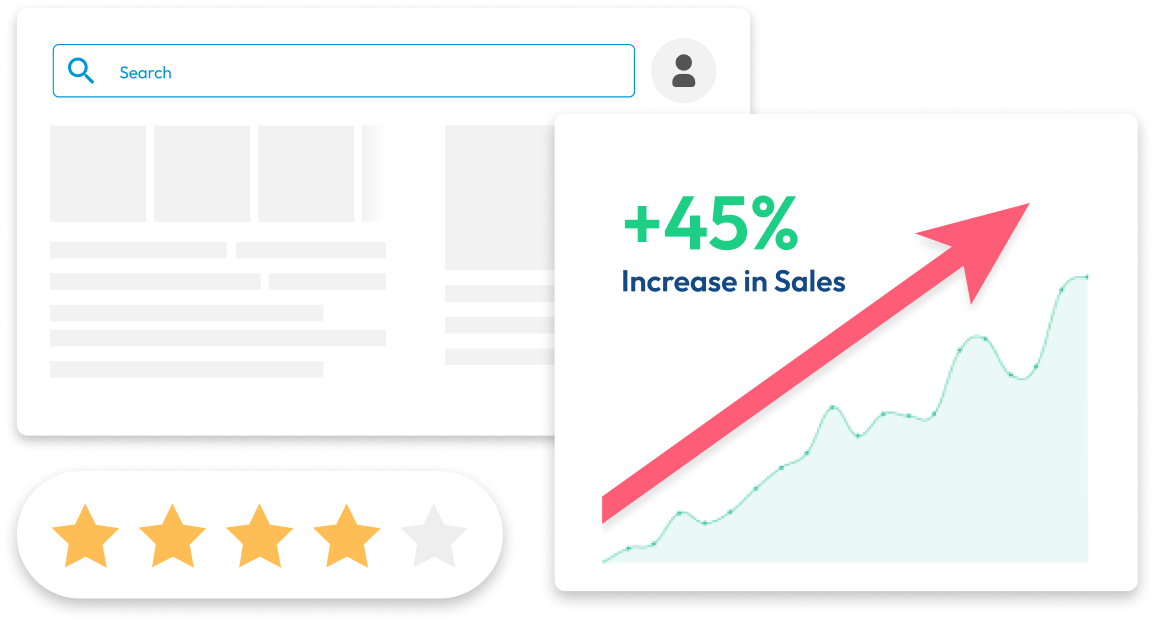
Why the Map Pack Decides Most Trades Jobs
A Simple Service Page Structure That Works
What SEO Will Not Do for Your Trade
How Long Before Trades SEO Starts Working
Tradie SEO Checklist: Start Here This Week
When It Pays to Bring In a Consultant
Frequently Asked Questions
How is SEO for tradies different from regular SEO?
How long does SEO take to work for a trades business?
Do I need a website if I already get work from word of mouth?
What is the single cheapest thing a tradie can do this week?
Should a tradie do local SEO themselves or hire someone?


Latest Blog



WINNER
FINALIST
FINALIST
WINNER
WINNER
FINALIST
FINALIST
WINNER

Xugar Holiday Offer